

 United StatesJFK
 MexicoMEX
 BrazilGRU
 ArgentinaEZE
 ChileSCL
 ColombiaBOG
 PeruLIM
 PanamaPTY
 Costa RicaSJO
 Dominican RepublicPUJ
 JamaicaMBJ
 BahamasNAS
 BarbadosBGI
 United KingdomLHR
 IrelandDUB
 FranceCDG
 GermanyFRA
 NetherlandsAMS
 BelgiumBRU
 SwitzerlandZRH
 AustriaVIE
 ItalyFCO
 SpainMAD
 PortugalLIS
 GreeceATH
 TurkeyIST
 DenmarkCPH
 SwedenARN
 NorwayOSL
 FinlandHEL
 PolandWAW
 Czech RepublicPRG
 HungaryBUD
 IcelandKEF
 United Arab EmiratesDXB
 QatarDOH
 Saudi ArabiaRUH
 IsraelTLV
 EgyptCAI
 MoroccoCMN
 South AfricaJNB
 KenyaNBO
 NigeriaLOS
 IndiaDEL
 PakistanLHE
 Sri LankaCMB
 SingaporeSIN
 MalaysiaKUL
 ThailandBKK
 VietnamSGN
 PhilippinesMNL
 IndonesiaCGK
 Hong KongHKG
 ChinaPVG
 TaiwanTPE
 JapanHND
 South KoreaICN
 AustraliaSYD
 New ZealandAKL
Chauffeur service Europe: one desk, thirteen city pages
A chauffeur service in Europe has to deal with something most North American travellers never face: a different regulator, language and set of road rules in every country. A Paris VTC driver is not licensed in Rome. A Zurich operator does not hold a London private hire licence. Cars that look the same on the website can be regulated in six different ways. That is the main reason the Enroutz.ca model works the way it does.
Enroutz.ca is a chauffeur service with its home base and dispatch desk in Toronto. In Europe the ride is delivered by a vetted, licensed and commercially insured local chauffeur partner, and the Toronto desk books, confirms and invoices it. You get one booking, one confirmation, one invoice and one point of contact around the clock. Partner vehicles are no more than four years old, and Rolls-Royce, Bentley and Maybach up to seven. We do not own vehicles or offices in Europe, and nothing on this page claims otherwise.
Which European city do you need a private driver in?

Enroutz.ca has thirteen European city pages: London, Paris, Rome, Milan, Barcelona, Madrid, Amsterdam, Frankfurt, Munich, Zurich, Geneva, Nice and Monaco, and Dublin. Each has its own page with airport, venue and local-rule detail. Enter any pickup worldwide in the booker and the desk confirms a fixed quote.
| City | Main airport | Approximate distance to centre | Typical road time |
|---|---|---|---|
| London | Heathrow (LHR) | 24 km (15 miles) | 45–75 minutes |
| Paris | Charles de Gaulle (CDG) | 25 km (16 miles) | 40–75 minutes |
| Rome | Fiumicino (FCO) | About 35 km | 40–70 minutes |
| Milan | Malpensa (MXP) | About 50 km | 45–70 minutes |
| Barcelona | El Prat (BCN) | About 14 km | 20–40 minutes |
| Madrid | Barajas (MAD) | About 15 km | 20–40 minutes |
| Amsterdam | Schiphol (AMS) | About 15 km | 20–40 minutes |
| Frankfurt | Frankfurt (FRA) | About 12 km | 20–40 minutes |
| Munich | Munich (MUC) | About 40 km | 35–60 minutes |
| Zurich | Zurich (ZRH) | About 12 km | 15–30 minutes |
| Geneva | Geneva (GVA) | About 5 km | 15–30 minutes |
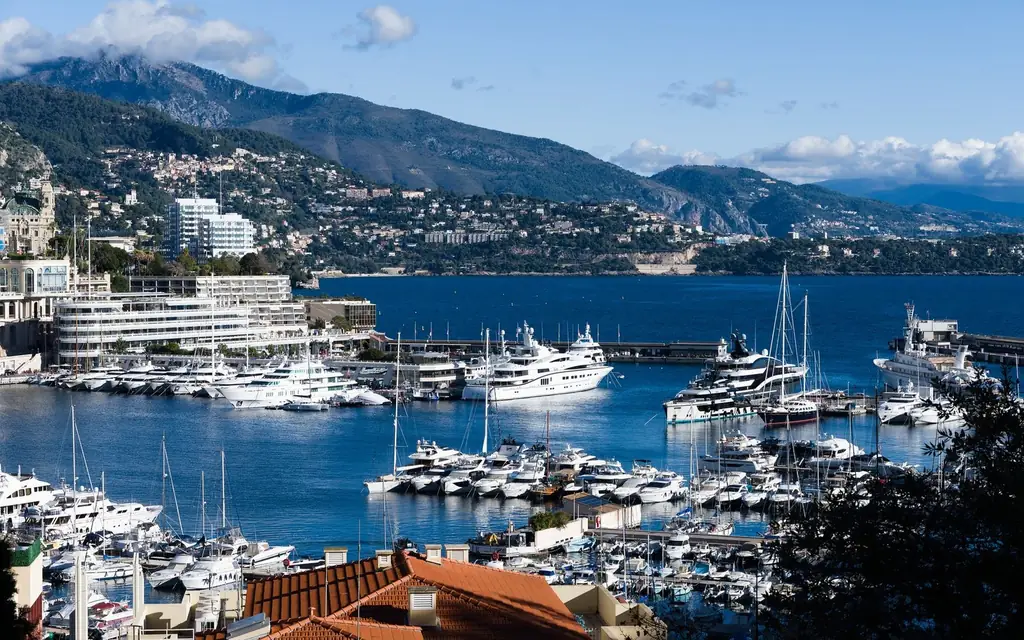
| Nice and Monaco | Nice Côte d'Azur (NCE) | 7 km to Nice; about 22 km to Monaco | 15–30 minutes; 25–45 minutes |
| Dublin | Dublin (DUB) | About 10 km | 25–50 minutes |
Times are typical road times outside rush hour. The booker shows the exact fare for your address and vehicle before you confirm.
City by city: what each page covers
London covers Heathrow, Gatwick, London City, Stansted and Luton, the Congestion Charge and the Ultra Low Emission Zone, ExCeL and the Mayfair hotels, and the UK Electronic Travel Authorisation that Canadians usually need.
Paris covers Charles de Gaulle, Orly and Le Bourget, the Golden Triangle, fashion week and Versailles, and the fact that taxis can use bus lanes while VTC cars cannot.
Rome covers Fiumicino, the Leonardo Express, the limited-traffic zones, the Vatican Museums and the cruise port at Civitavecchia.
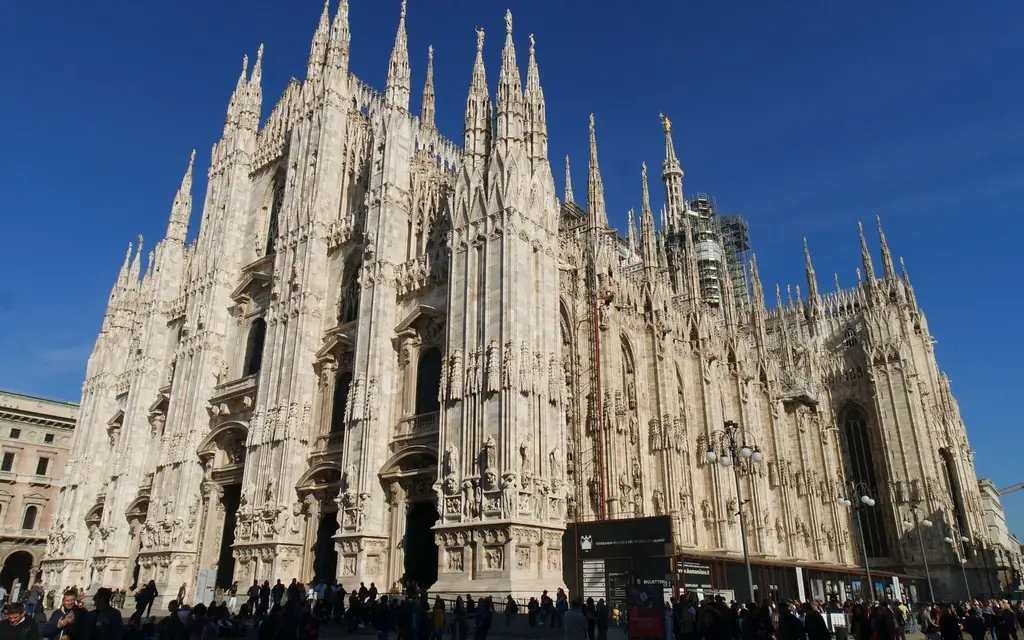
Milan covers Malpensa and Linate, Fiera Milano Rho, the Salone del Mobile and Milan Fashion Week dates, and the lakes.
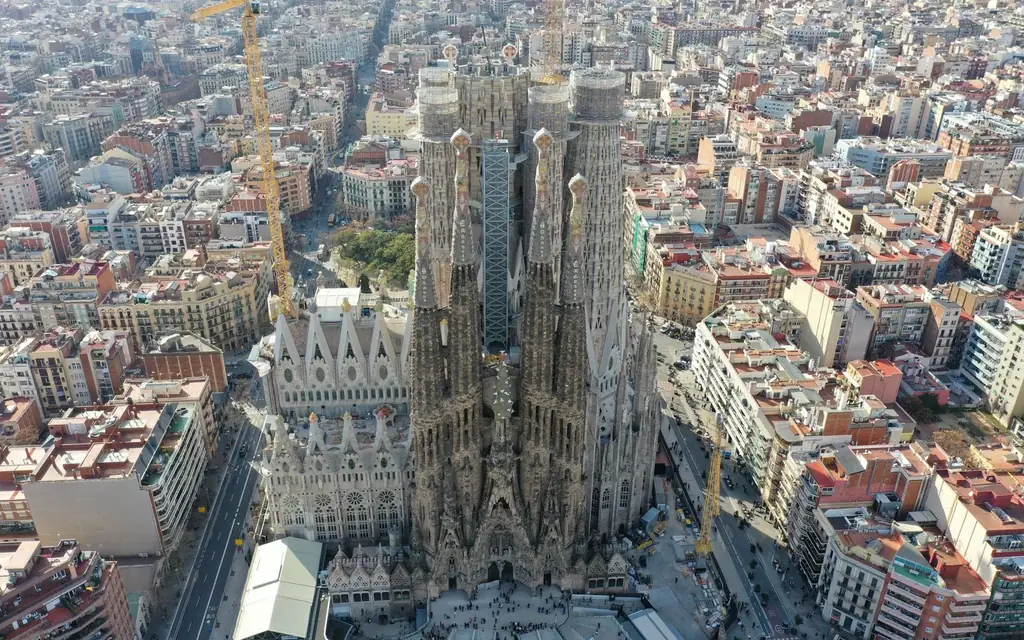
Barcelona covers El Prat, Fira Gran Via and MWC, the cruise port and the Costa Brava.
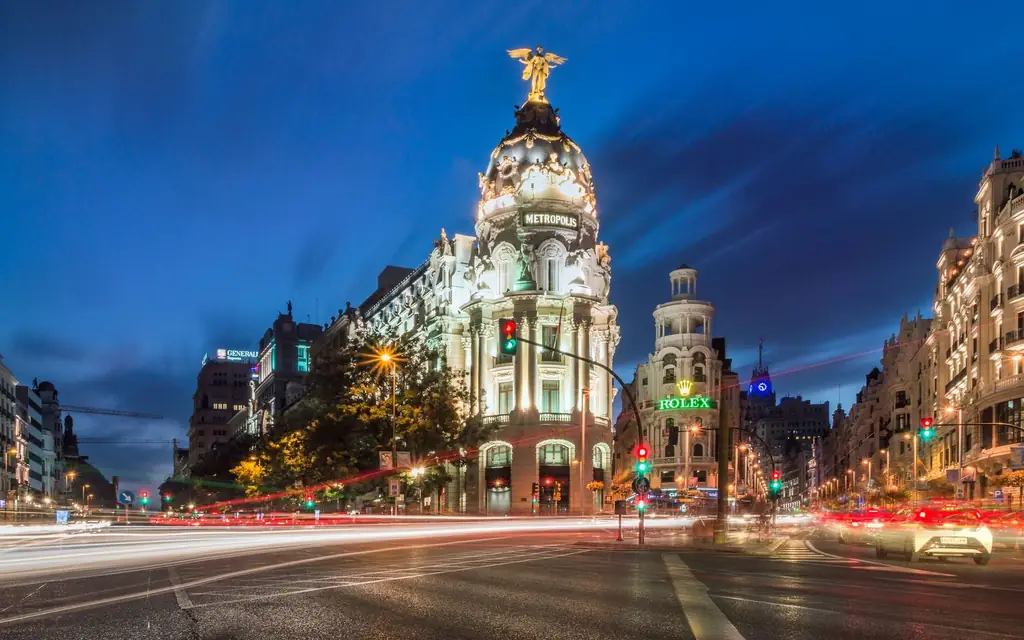
Madrid covers Barajas, IFEMA, the Golden Triangle of Art and day trips to Toledo and Segovia.
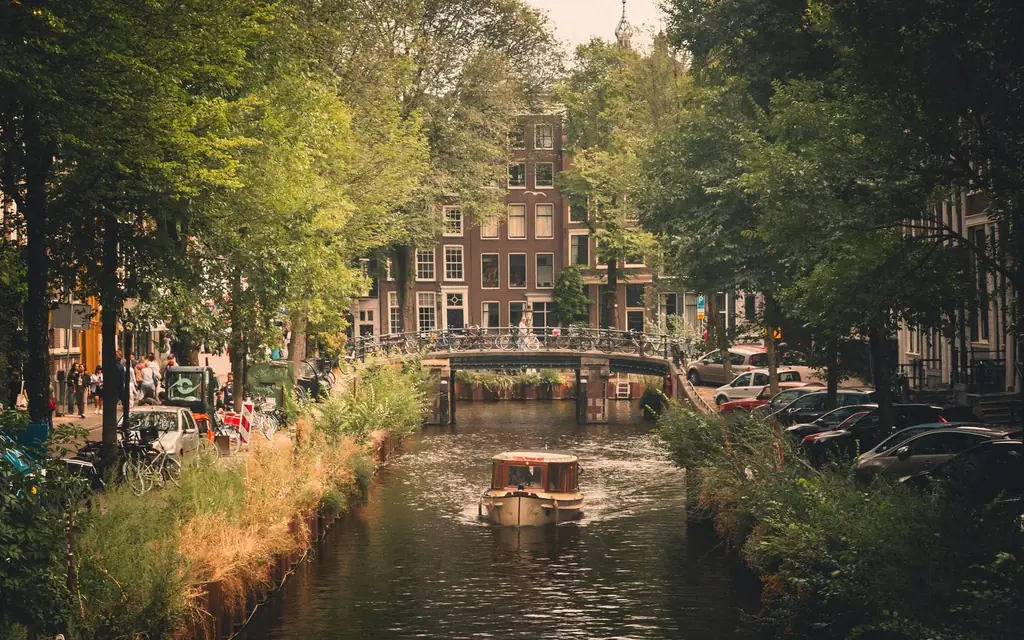
Amsterdam covers Schiphol, the RAI, the canal belt and The Hague.
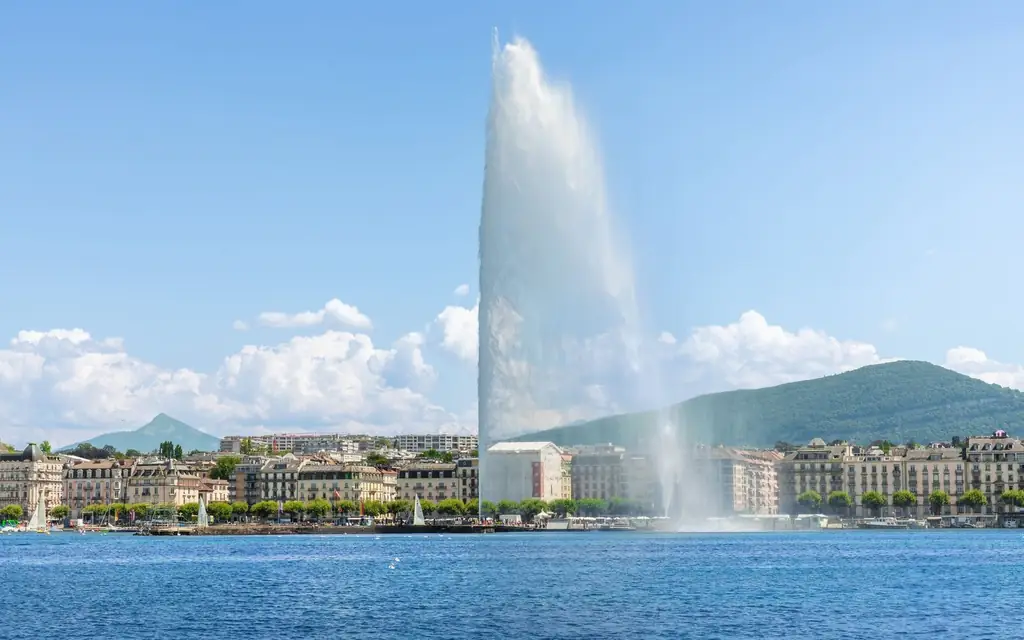
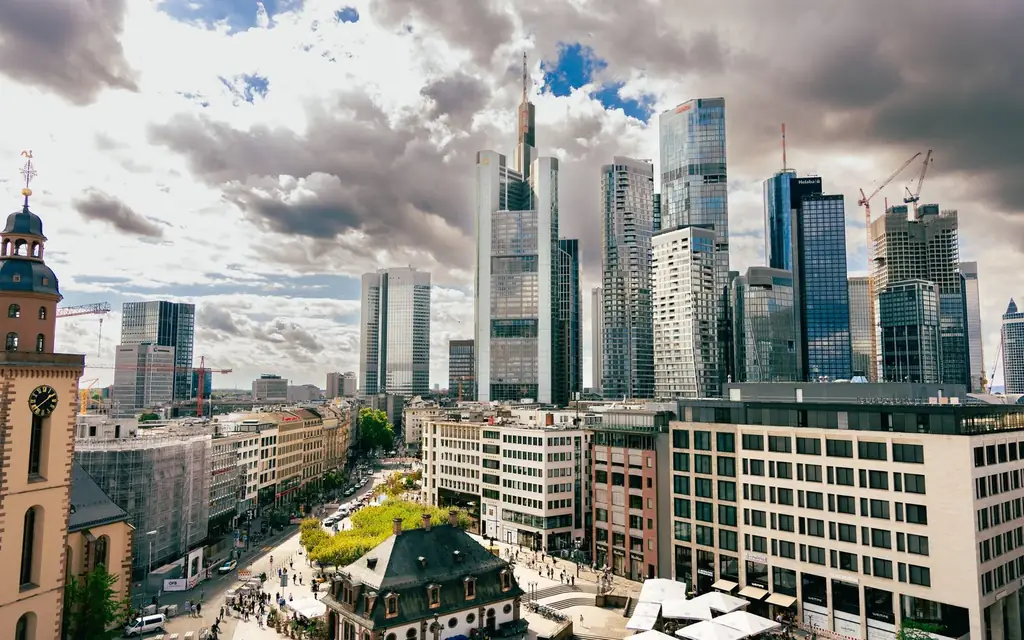
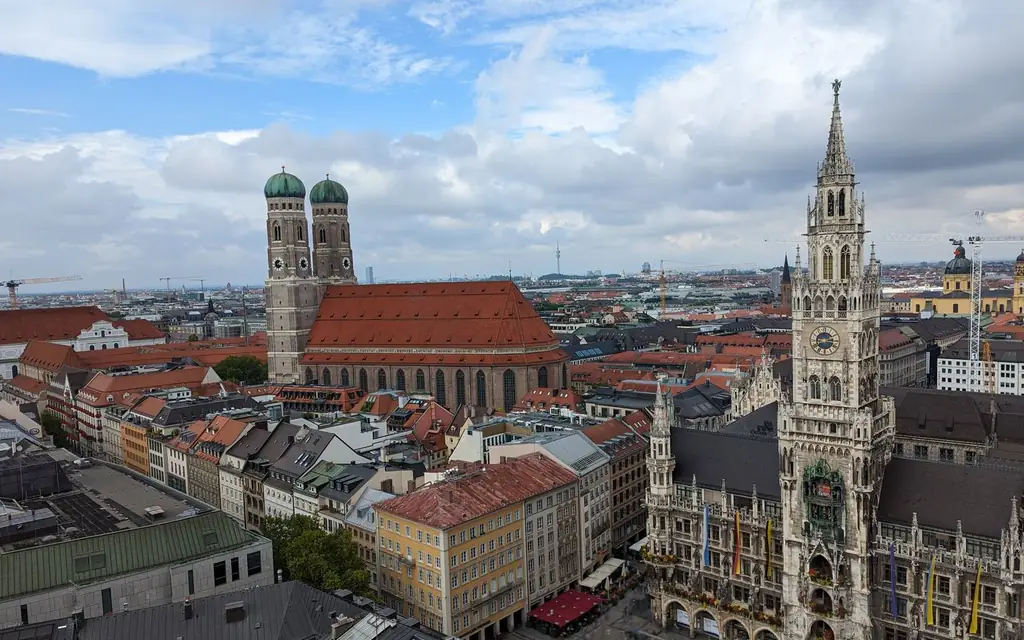
Frankfurt and Munich serve Germany's finance and trade-fair centres. Zurich and Geneva serve Swiss banking, diplomacy and the Alps. Nice and Monaco serve the Riviera, and Dublin serves Ireland.
Arriving in Europe from Canada: entry rules
Entry rules change, so check the official sources close to your travel date. As of early October 2026, the position for Canadian citizens is as follows.
- Schengen countries. France, Italy, Spain, Germany, the Netherlands and Switzerland, among others, are in the Schengen area. Canadians do not need a visa for short stays. The EU's Entry/Exit System registers non-EU visitors at the external border with a photograph and fingerprints, and it is now in operation.
- ETIAS. The EU's travel authorisation, ETIAS, was not in operation in October 2026, and applications could not be filed. Reporting suggests the launch has slipped beyond 2026, but no official date had been published, so confirm on the official EU travel portal.
- United Kingdom. The UK is outside Schengen. Canadians usually need an Electronic Travel Authorisation before travelling; see the government's ETA page.
- Ireland. Ireland has its own border rules and is outside Schengen. Check the official Irish immigration service before travel.
- Monaco. Monaco has no border controls, and visitors arrive through France.
The Government of Canada publishes travel advice for each country on its destinations page. Passport control happens at the first Schengen entry point, which matters if you connect: a Toronto–Frankfurt–Milan itinerary clears the border in Frankfurt, and the chauffeur in Milan meets you at domestic-style arrivals. Tell the desk your full routing at booking.
Driving realities: low-emission zones, tolls and working time
Four things affect a European chauffeur trip more than a Canadian one.

Low-emission and limited-traffic zones. London has the Ultra Low Emission Zone, which operates 24 hours a day, every day except Christmas Day, and the Congestion Charge, which private hire vehicles do not escape. Rome restricts cars in its historic centre with camera-enforced zones. Milan, Paris, Barcelona and Madrid run their own low-emission schemes. Because partner vehicles are no more than four years old, they are normally in the cleanest categories. Specific charges and hours belong to each city, and we do not print numbers that change.
Left-hand traffic. The United Kingdom and Ireland drive on the left. Everywhere else in this hub drives on the right.
Tolls and vignettes. Italian, French and Spanish motorways charge tolls, and Switzerland requires a motorway vignette. These are the operator's responsibility and are reflected in the fixed fare quoted in the booker.
Driver working time. The EU's driving-time regulation, number 561/2006, limits driving to nine hours a day and requires a 45-minute break after four and a half hours of driving, according to EUR-Lex. It applies to vehicles carrying more than nine people, counting the driver. A 12-passenger Executive Sprinter with its driver is above that threshold, as are mini-coaches and coaches, so those jobs are planned around the limits, with rest stops or a second driver on long days. Cars seating nine or fewer including the driver, which covers our sedans and SUVs, fall outside the regulation's scope, and national licensing rules and the operator's own fatigue policy apply instead.
Between cities: train, plane or chauffeur?
For a single city pair, the right answer depends on distance and luggage. This table compares the realistic options for intercity trips in Europe.
| Option | Typical use | Cost note | Who it suits |
|---|---|---|---|
| High-speed train | Paris–London, Madrid–Barcelona, Milan–Rome | Often the lowest for city-centre to city-centre | Solo travellers, light bags, central hotels |
| Short flight | Over about 600 km | Varies | When the road trip exceeds 6 hours |
| Rental car | Multi-stop self-drive | Highest overall | Confident drivers who know local rules |
| Private chauffeur | Transfers to and from stations, and road legs under about 400 km | Fixed fare via booker | Groups, luggage, tight schedules, hotel-to-hotel |
| Chauffeur plus train | Long routes | Mixed | The most common pattern for executives |
Where a good train exists, we say so. Madrid to Barcelona is about 620 km and six hours by road, but around two and a half hours by high-speed train. The sensible plan is a chauffeur at both ends and the train in the middle. A chauffeur leg is stronger when distance is under about 400 km and the route links places the train serves poorly, such as Milan to Lake Como or Nice to Monaco. See city-to-city car service and cross-border car service.
Events and trade shows with confirmed dates
Several of Europe's biggest business calendars fall within the cities we cover. These dates are the next confirmed occurrences as of October 2026, and organisers can change them.
- MWC Barcelona: 1 to 4 March 2027 at Fira Gran Via. See MWC Barcelona.
- Salone del Mobile.Milano: 13 to 18 April 2027 at Fiera Milano Rho.
- Milano Moda Donna (women's): 23 February to 1 March 2027 for autumn/winter 2027/28. Men's autumn/winter: 15 to 19 January 2027.
- Paris Fashion Week: the spring/summer 2027 season ran from 28 September to 6 October 2026; the autumn/winter season is usually held in late February and early March.
- Paris Air Show: held in June of odd-numbered years, so the next edition is June 2027. See Paris Air Show.
- Farnborough Airshow: held in July of even-numbered years. See Farnborough Airshow.
The full lists are on the events hub and the trade shows hub. For delegations, see event transportation, trade show transportation and roadshow car service.
Airports, private aviation, cruise ports and stations
Europe's airports are covered on the airports hub, including Heathrow, Paris Charles de Gaulle, Frankfurt, Munich, Amsterdam Schiphol, Zurich, Geneva, Dublin and Nice. Business aviation is on the private aviation hub, with pages for Le Bourget, Farnborough and Nice. Cruise passengers should see Southampton, Barcelona and Civitavecchia for Rome, and rail travellers London St Pancras and Paris Gare du Nord. The hotels hub lists the Savoy in London and the Ritz in Paris.
Corporate accounts, roadshows and service standards
For companies sending staff to Europe regularly, the Toronto desk offers corporate accounts with monthly invoicing, so a roadshow through three cities is one invoice and not a pile of foreign receipts. Read about corporate chauffeur service and worldwide chauffeur network.
Service standards are the same in every city. Flight tracking applies to every airport pickup. International arrivals include 60 minutes' free waiting after landing, domestic arrivals 30 minutes, and other pickups 15 minutes. The name-board meet and greet is available as an add-on, with an alias on request. Chauffeurs do not photograph clients or post about trips, and NDAs are signed on request. Enroutz.ca is a chauffeur service, not a security company: we have no armed drivers or bodyguards, and we work alongside your own security team.
Cancellation: more than 72 hours' notice carries no charge; 72 hours or less is 10%; 48 hours or less is 50%; 24 hours or less or a no-show is 100%, measured from the scheduled pickup time. Large events and conventions may carry a different deadline, stated on the confirmation.
Frequently asked questions
How do I book a private driver in Europe from Canada?
Use the online booker, enter any pickup worldwide, and the desk confirms a fixed quote. You receive one confirmation and one invoice from Enroutz.ca, whichever country the ride is in.
Does Enroutz.ca own vehicles in Europe?
No. Rides outside Toronto, the GTA and Ontario are delivered by vetted, licensed and commercially insured local chauffeur partners, booked, confirmed and invoiced by the Enroutz.ca desk.
Which European cities do you cover?
London, Paris, Rome, Milan, Barcelona, Madrid, Amsterdam, Frankfurt, Munich, Zurich, Geneva, Nice and Monaco, and Dublin, with airport, station and venue pages for each.
Do Canadians need a visa for Europe?
Not for short stays in the Schengen area. The Entry/Exit System registers visitors at the border, and ETIAS was not in operation in October 2026. The UK requires an ETA for most Canadians. Check official sources before you travel.
How old are the vehicles?
Partner vehicles are no more than four years old, and Rolls-Royce, Bentley and Maybach up to seven. The exact model is confirmed at booking.
Can one booking cover several cities?
Yes. The desk can book multi-city itineraries and invoice them together. See city-to-city car service.
Are there driving-hour limits in Europe?
For vehicles carrying more than nine people including the driver, EU rules limit driving to nine hours a day and require a 45-minute break after four and a half hours. Cars fall below that threshold.
What does cancellation cost?
More than 72 hours' notice carries no charge, then 10%, 50% and 100% as the pickup approaches. Large events may carry a different deadline.