

 United StatesJFK
 MexicoMEX
 BrazilGRU
 ArgentinaEZE
 ChileSCL
 ColombiaBOG
 PeruLIM
 PanamaPTY
 Costa RicaSJO
 Dominican RepublicPUJ
 JamaicaMBJ
 BahamasNAS
 BarbadosBGI
 United KingdomLHR
 IrelandDUB
 FranceCDG
 GermanyFRA
 NetherlandsAMS
 BelgiumBRU
 SwitzerlandZRH
 AustriaVIE
 ItalyFCO
 SpainMAD
 PortugalLIS
 GreeceATH
 TurkeyIST
 DenmarkCPH
 SwedenARN
 NorwayOSL
 FinlandHEL
 PolandWAW
 Czech RepublicPRG
 HungaryBUD
 IcelandKEF
 United Arab EmiratesDXB
 QatarDOH
 Saudi ArabiaRUH
 IsraelTLV
 EgyptCAI
 MoroccoCMN
 South AfricaJNB
 KenyaNBO
 NigeriaLOS
 IndiaDEL
 PakistanLHE
 Sri LankaCMB
 SingaporeSIN
 MalaysiaKUL
 ThailandBKK
 VietnamSGN
 PhilippinesMNL
 IndonesiaCGK
 Hong KongHKG
 ChinaPVG
 TaiwanTPE
 JapanHND
 South KoreaICN
 AustraliaSYD
 New ZealandAKL
What do you need to know before travelling to Toronto from abroad?
Check whether you need an eTA or a visa before you book, because most visa-exempt visitors who fly in need an electronic travel authorization and US citizens do not. Then plan the 27 km (17-mile) journey from Pearson to the city, which usually takes 30 to 50 minutes by road.
Toronto is easy to enter and easy to enjoy, provided you handle four things in the right order: the paperwork, the airport arrival, the first ride into the city and the first night's address. This guide walks through each in turn, written for visitors coming from the USA, the UK, Europe and the Gulf who have not been before, or who have not been recently.
Nothing here replaces the rules of the Canadian government, which change from time to time. Where a rule matters, we link to the official page and tell you what it said when we last read it in October 2026. Check again before you fly.
Entry documents: eTA, visa or neither
Canada separates visitors into three groups, and which one you belong to depends on the passport you hold.
US citizens. The Government of Canada states that US citizens are exempt from the eTA requirement and must carry proper identification, such as a valid US passport. If you hold another status, such as a US green card with a different passport, check the official page for exactly what applies to you.
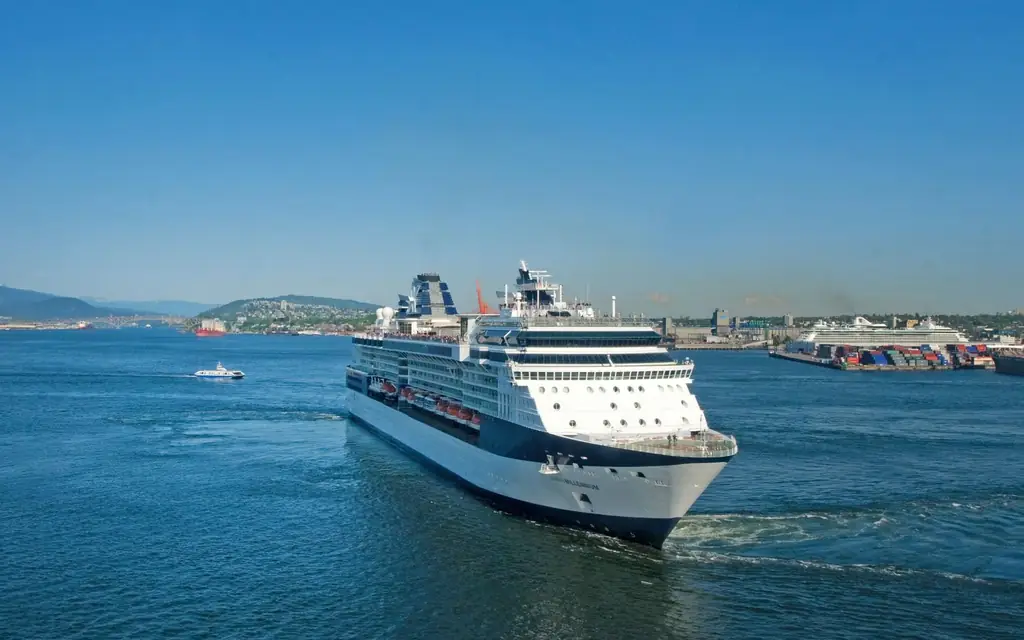
Visa-exempt foreign nationals. Many travellers from Europe, the UK and other countries do not need a visitor visa but do need an eTA to fly to, or transit through, a Canadian airport. The official page notes that these travellers do not need an eTA when they arrive by car, bus, train or boat, including a cruise ship. An eTA is valid for up to five years or until the passport expires, whichever comes first, and a new passport needs a new eTA. Most applicants are approved by email within minutes, though some applications take several days, so it is wise to apply before you book a flight. The Government of Canada says to apply only on its official website, and gives the fee as CAD 7 per person. Read the official eTA page before you do anything else.
Visa-required nationals. Citizens of some countries need a visitor visa instead. Some can apply for an eTA in place of a visa for air travel, but they need a visa if they arrive by land or sea. The government's visit Canada page includes a short questionnaire that tells you which one applies. Gulf and other long-haul travellers should run it early, since a visa takes longer than an eTA.
Dual Canadian citizens need a Canadian passport rather than an eTA, so if you hold a Canadian passport alongside another, use it.
Customs and the border declaration
On arrival you will be asked for proof of identity and citizenship, and you will make a customs and immigration declaration. The Canada Border Services Agency lets travellers submit that declaration in advance through Advance Declaration in ArriveCAN, and major international airports have kiosks and eGates for identity checks and on-screen declarations. Officers may ask for more detail about you, your children, your pets or your belongings, and may examine digital devices.
Declare honestly and carry the documents you used to book. If you are bringing goods, duty-free allowances, food or large amounts of cash, read the CBSA travel pages rather than relying on advice from friends; allowances and tariff rules change.
Arriving at Toronto Pearson
Toronto Pearson International Airport (YYZ) is in Mississauga, about 27 km (17 miles) north-west of downtown Toronto. Your boarding documents will tell you which of its terminals your flight uses. Allow a generous period after landing on an international flight: the immigration hall, baggage reclaim and customs inspection can take well over an hour at peak times, especially on transatlantic evening banks.

For a private pickup, flight tracking means your chauffeur knows when you actually land, and on international arrivals Enroutz.ca includes 60 minutes of free waiting after landing. If you want somebody standing inside arrivals with a name board, the meet and greet service is the add-on to choose. More detail on terminals and pickup points is on our Pearson airport limo page and the wider Toronto airport transfer guide.
If you are arriving by the smaller island airport, Billy Bishop, the transfer is much shorter; see the Billy Bishop page.
Getting from the airport into the city
Visitors usually ask the same question: is the train or a car better? The honest answer depends on your luggage and your hotel.
| Option | Typical time to downtown | Cost note | Suits |
|---|---|---|---|
| UP Express train | About 28 minutes to Union Station | Lowest | Solo travellers with light bags, hotels near Union |
| Taxi | 30 to 50 minutes | Metered | Short-notice arrivals with no booking |
| Rideshare | 30 to 50 minutes | Surge-priced at peaks | Flexible travellers comfortable with an app |
| Hotel shuttle | Varies | Varies | Hotels near the airport |
| Rental car | 30 to 50 minutes plus counter queue | Per-day plus parking | Trips beyond the city |
| Private chauffeur | 30 to 50 minutes | Fixed fare via booker | Families, heavy luggage, late arrivals, fixed schedules |
The UP Express runs from Pearson to Union Station in 28 minutes with stops at Weston, Mount Dennis and Bloor. For a business traveller whose hotel is beside the station, it is excellent value and we will not pretend otherwise. A chauffeur is the better choice when you arrive in a group, carry a lot of luggage, land late, have a child seat to fit or need to get from the airport directly to a door that is not near the rail line. The booker shows the exact fare for your address and vehicle before you confirm.
Money, tax and tipping
The currency is the Canadian dollar. Cards, including contactless, are accepted almost everywhere, so most visitors need little cash. Prices in shops and restaurants are usually shown before tax, and in Ontario the Harmonized Sales Tax of 13 per cent is added at the till. Visitors from the USA are often surprised by that, and by the habit of tipping.
Tipping is customary rather than compulsory. In restaurants a tip of 15 to 20 per cent of the pre-tax bill is common; bartenders, hairdressers, hotel porters and housekeeping are also usually tipped. A chauffeur gratuity is at your discretion.
Cash machines are widespread, though foreign cards may charge conversion and withdrawal fees, so check with your bank before you travel.
Weather and the best time to visit
Toronto has four distinct seasons. Winters are cold, with snow and temperatures that regularly sit below freezing from December to February. Summers are warm and humid. Spring and autumn are changeable; pack layers, a waterproof jacket and comfortable shoes whatever the month.
Winter does not stop the city, and a chauffeur can matter more in January than in July, because a snowstorm turns a 27 km airport drive into a longer trip. Flights, roads and trains are all affected by heavy weather, so a flight-tracked pickup gives a buffer you do not have with a spur-of-the-moment taxi.
If you are choosing dates, think about events as well as weather. The events hub and the trade shows hub list the calendar items that fill hotels and clog the roads, and the Toronto International Film Festival is the best-known of them.
Where to stay: the districts that matter
Hotels cluster in a few districts, and where you sleep changes how you travel.
- Financial District and downtown core. Bay Street, King Street and the area around Union Station. Convenient for business and for the train from the airport. Look at the Fairmont Royal York and the St. Regis Toronto.
- Entertainment District and Harbourfront. Theatres, restaurants, the waterfront and the CN Tower. The Westin Harbour Castle is on the water.
- Yorkville. Upmarket shopping, galleries and dining a short distance north of downtown. See the Four Seasons Toronto and the Park Hyatt Toronto.
- Near the airport. Practical for very early flights; the Pearson airport hotels page covers them.
Our full list is on the hotels hub. Whatever you choose, confirm the exact street address on your reservation and enter it in the booker, since the pickup point is what the fare is based on.
Getting around Toronto once you are there
The downtown core is compact. Walking between Union Station, the Financial District and the waterfront is realistic in good weather. Beyond that, public transit includes subways, streetcars and buses, and GO Transit is the provincial regional service that serves the wider Greater Golden Horseshoe, with Union Station as its main hub. Taxis and rideshares are widely available, and a pre-booked chauffeur is the alternative for travellers who want a fixed time and fixed fare.
Remember that Toronto's traffic is heavy at the usual commuting peaks, roughly early morning and late afternoon on weekdays. The 401 across the north of the city, the Gardiner Expressway along the waterfront and the Don Valley Parkway are the busiest arteries. The Toronto business travel guide explains how to time them.
If you intend to drive yourself, remember that Canadian traffic drives on the right, speed limits are posted in kilometres per hour and distances are in kilometres. The 407 ETR is an electronic toll highway, so there are no toll booths to stop at; confirm the billing terms with the rental company before you take it.
Day trips and what to see
Most first visits include the CN Tower, the waterfront, a market and at least one outing. Our attractions guide lists what to see with distances. Niagara Falls is the classic day out, about 130 km (80 miles) from downtown and normally around 1 hour 30 minutes each way, and the Niagara Falls car service page covers it. Visitors with more time can head north to Muskoka or across to Ottawa.
If you are crossing the border by road, our cross-border car service is run from Toronto, and the USA hub lists the cities served on the American side.
Time zone, language and practicalities
Toronto uses Eastern Time, five hours behind the UK in most of the year and, because of daylight-saving changes, eight or nine hours behind Dubai depending on the season. Canada's electricity is 120 volts with the same two-pin plugs as the USA, so visitors from the UK, Europe and the Gulf need a plug adapter and should check that their devices tolerate the voltage.
English is the everyday language, French is an official language nationally and heard around the city, and many other languages are spoken in a city that is among the world's most diverse. Distances, speed limits and temperatures use the metric system.
Planning an onward trip from Toronto
If your itinerary continues to the USA, Europe or the Gulf, the same desk can arrange rides at the other end: see New York, London and Dubai. For the airport legs, our London Heathrow and Dubai DXB pages cover terminals and pickup logistics. Outside Toronto, the ride is delivered by a vetted, licensed and commercially insured local partner and booked, confirmed and invoiced by the Enroutz.ca desk, as described in the worldwide chauffeur network guide.
Frequently asked questions
Do I need an eTA to fly to Toronto?
If you are a visa-exempt foreign national, you generally need an eTA to fly to or transit through a Canadian airport. US citizens are exempt from the eTA requirement and must carry proper identification such as a valid US passport. Use the official Government of Canada site, which gives the fee as CAD 7 per person.
How long is an eTA valid?
Up to five years or until the passport expires, whichever comes first. A new passport requires a new eTA.
Do I need an eTA if I arrive by land or sea?
Visa-exempt travellers do not need an eTA when arriving by car, bus, train or boat, including cruise ship. Visa-required travellers still need a visitor visa in those cases.
How far is Toronto Pearson from downtown?
About 27 km (17 miles). By road it usually takes 30 to 50 minutes, longer at peak hours or in snow. The UP Express train advertises 28 minutes to Union Station.
Is it better to take the train or a private car from Pearson?
The train is the lowest-cost option and works well for solo travellers with light bags and a hotel near Union Station. A private chauffeur is better for groups, heavy luggage, late arrivals or an address away from the rail line. The booker shows the exact fare before you confirm.
Do I tip in Toronto?
Tipping is customary in restaurants, with 15 to 20 per cent commonly given, and for services such as hairdressing and porterage. A chauffeur gratuity is at your discretion.
What plug and voltage does Toronto use?
Canada uses 120-volt electricity with two-pin plugs, as in the USA. Visitors from the UK, Europe and the Gulf need an adapter and should check device voltage.
What is the weather like in Toronto?
Four seasons: cold, snowy winters; warm, humid summers; changeable spring and autumn. Pack layers and allow extra time in heavy snow.
Can Enroutz.ca arrange a ride when I leave Toronto for another country?
Yes. Enter any pickup worldwide in the booker; the desk confirms a fixed quote and delivers the ride through a vetted local partner outside Toronto.