 United StatesJFK
 MexicoMEX
 BrazilGRU
 ArgentinaEZE
 ChileSCL
 ColombiaBOG
 PeruLIM
 PanamaPTY
 Costa RicaSJO
 Dominican RepublicPUJ
 JamaicaMBJ
 BahamasNAS
 BarbadosBGI
 United KingdomLHR
 IrelandDUB
 FranceCDG
 GermanyFRA
 NetherlandsAMS
 BelgiumBRU
 SwitzerlandZRH
 AustriaVIE
 ItalyFCO
 SpainMAD
 PortugalLIS
 GreeceATH
 TurkeyIST
 DenmarkCPH
 SwedenARN
 NorwayOSL
 FinlandHEL
 PolandWAW
 Czech RepublicPRG
 HungaryBUD
 IcelandKEF
 United Arab EmiratesDXB
 QatarDOH
 Saudi ArabiaRUH
 IsraelTLV
 EgyptCAI
 MoroccoCMN
 South AfricaJNB
 KenyaNBO
 NigeriaLOS
 IndiaDEL
 PakistanLHE
 Sri LankaCMB
 SingaporeSIN
 MalaysiaKUL
 ThailandBKK
 VietnamSGN
 PhilippinesMNL
 IndonesiaCGK
 Hong KongHKG
 ChinaPVG
 TaiwanTPE
 JapanHND
 South KoreaICN
 AustraliaSYD
 New ZealandAKL
Executive protection transport: what a chauffeur does and does not do
People searching for an executive protection driver are often looking for two different things at once. One is a skilled, discreet professional who drives well and keeps to a plan. The other is protection: someone trained to assess threats and respond to them. A single provider rarely excels at both, and a client is better served by being clear about which is which.
Enroutz.ca is a chauffeur service. It is not a licensed security company. It has no armed drivers, no bodyguards and no protection agents. What it offers is the first of the two things: a vetted, licensed and commercially insured chauffeur and a well-kept vehicle that fit into a protection team's plan without trying to run it.
In Toronto, the GTA and Ontario the service is operated with Enroutz.ca vehicles and chauffeurs. In the rest of Canada, the USA, Europe and the Middle East a vetted, licensed and commercially insured local chauffeur partner delivers the ride, and the Enroutz.ca desk books, confirms and invoices it. The online booker shows the exact fare for your addresses and vehicle before you confirm, and for trips abroad the desk confirms a fixed quote.
What is executive protection transport?
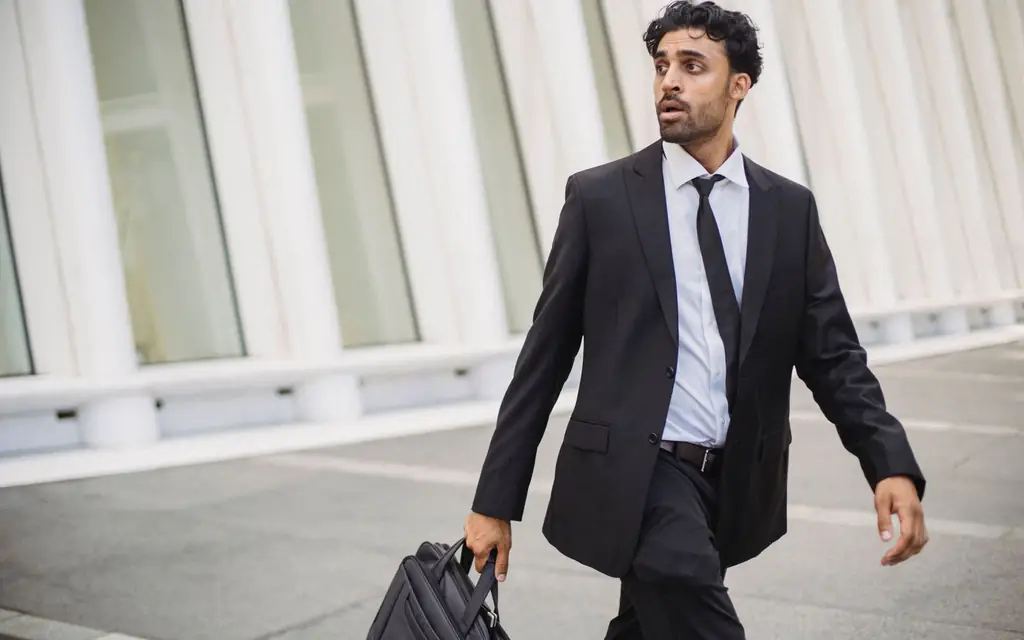
Executive protection transport is chauffeured movement planned and led by a client's own security team. The chauffeur drives the agreed route, follows the team leader's instructions and keeps the schedule confidential. Enroutz.ca provides the chauffeur, the vehicle and the booking, not the security: we have no armed drivers and no bodyguards.
In the language of the trade, the protection team carries the risk assessment and the authority to make decisions about safety. The chauffeur carries the vehicle and the route. The cleaner that division is, the safer and calmer the day.
Why Enroutz.ca is clear about not being a security company
In Ontario, security guard work is regulated under the Private Security and Investigative Services Act, 2005. The Act prohibits acting as a security guard, or holding oneself out as one, without the required licence, and it sets out separate licences for individuals and for businesses that sell guard services. Enroutz.ca does not hold itself out as a security guard business. A chauffeur who drives a client is not doing guard work.
The point matters to clients as well as the law. A provider that claims to be a chauffeur company and a protection company at the same time creates uncertainty about who is responsible for what. We prefer to be precise: if you need protection, hire a licensed protection provider; if you need a driver who works comfortably alongside them, call us. The planning page for VIP chauffeur covers discretion for public figures who travel without a team.
Who does what: dividing responsibility
| Task | Protection team | Enroutz.ca chauffeur |
|---|---|---|
| Threat and risk assessment | Leads | Not involved |
| Advance of venues and routes | Leads | Shares local knowledge on request |
| Choice of route on the day | Decides | Drives the agreed route; flags traffic and road conditions |
| Decisions about safety | Decides | Follows instructions |
| Vehicle staging | Directs | Positions the vehicle as directed |
| Principal's itinerary | Owns | Receives only what is needed |
| Weapons and licences | Own responsibility | Not carried; not handled |
| Driving, luggage, flight tracking | Not involved | Handles |
| Communications on the day | Sets protocol | Follows protocol |
If your team prefers a different split, tell the desk before the booking is confirmed. The detail that matters is that there is one chain of command, and the chauffeur is clearly inside it.
Advance work and route planning
A protection advance normally includes walking the venues, timing the routes and choosing alternates. The chauffeur does not replace this work. What a local chauffeur can add is knowledge that a map does not give: which entrance a hotel actually uses for arrivals, how long the Gardiner Expressway really takes at five o'clock, and where a delivery bay turns into a bottleneck at lunchtime.
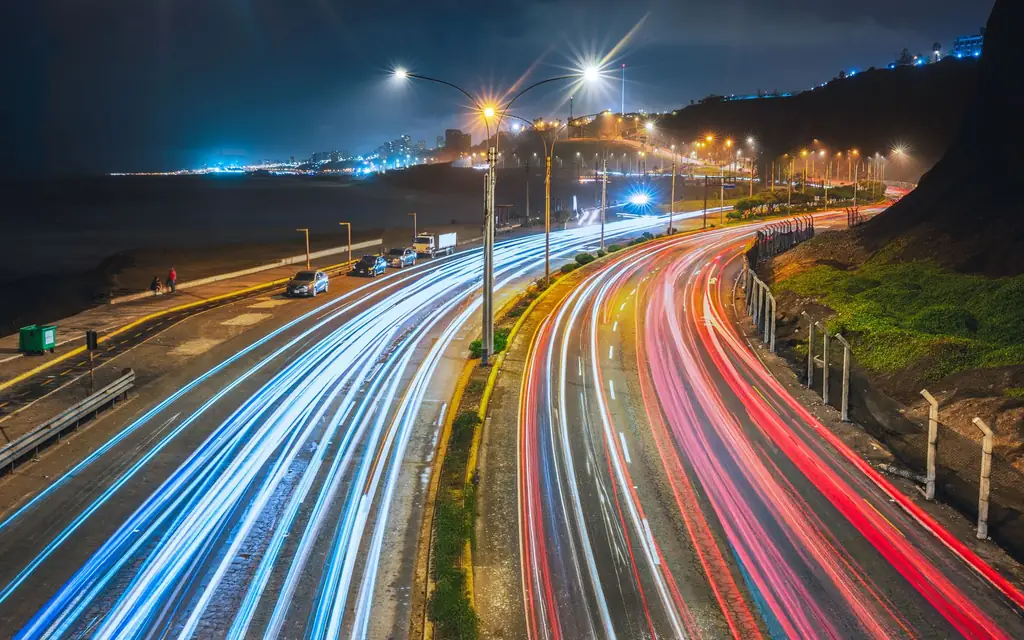
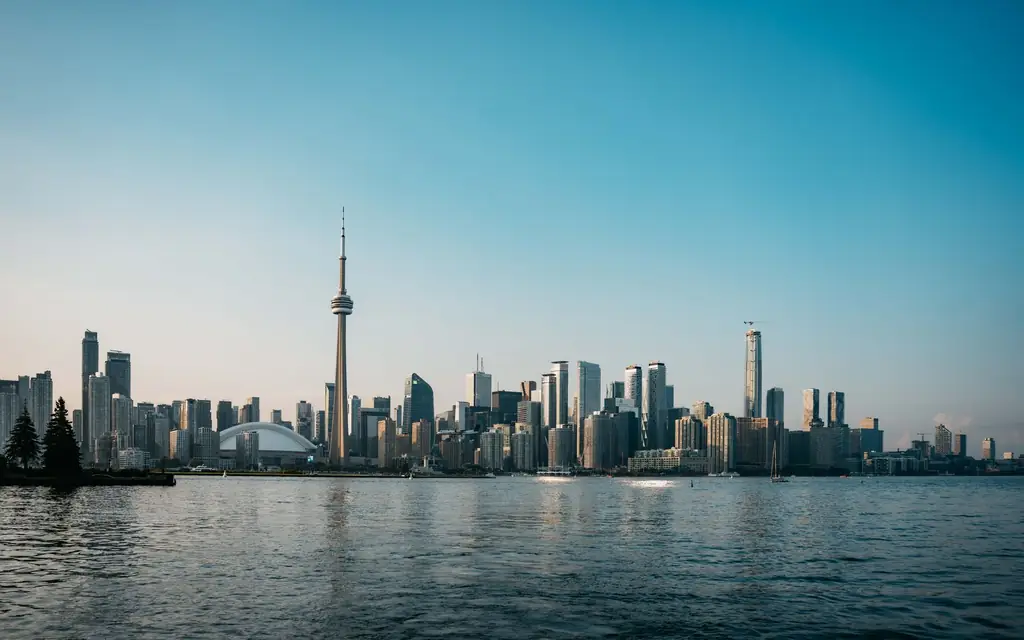
Toronto's main choke points are well known. Toronto Pearson is about 27 km from downtown and the drive is usually 30 to 50 minutes. The Gardiner Expressway, the Don Valley Parkway and Highway 401 each slow severely at peak hours, and an accident on any of them affects the others. A route plan should have an alternate for each, and the advance team should time them on the day of week and the hour of the real movement.
If your team wants the route driven in advance with the chauffeur, ask the desk when you book. Whether that can be arranged depends on availability, and the desk tells you before the booking is confirmed.
Vehicle staging and the second car
Positioning the vehicle is a skill of its own. Staging means the car is in the right place at the right moment, with the right door facing the right way, and not blocking anyone else. The protection team directs the position; the chauffeur executes it and stays with the vehicle.
Vehicle choices:
- First Class Sedan (Mercedes-Benz S-Class, BMW 7 Series or similar) for the principal. Up to 3 passengers, 2 large and 2 cabin bags.
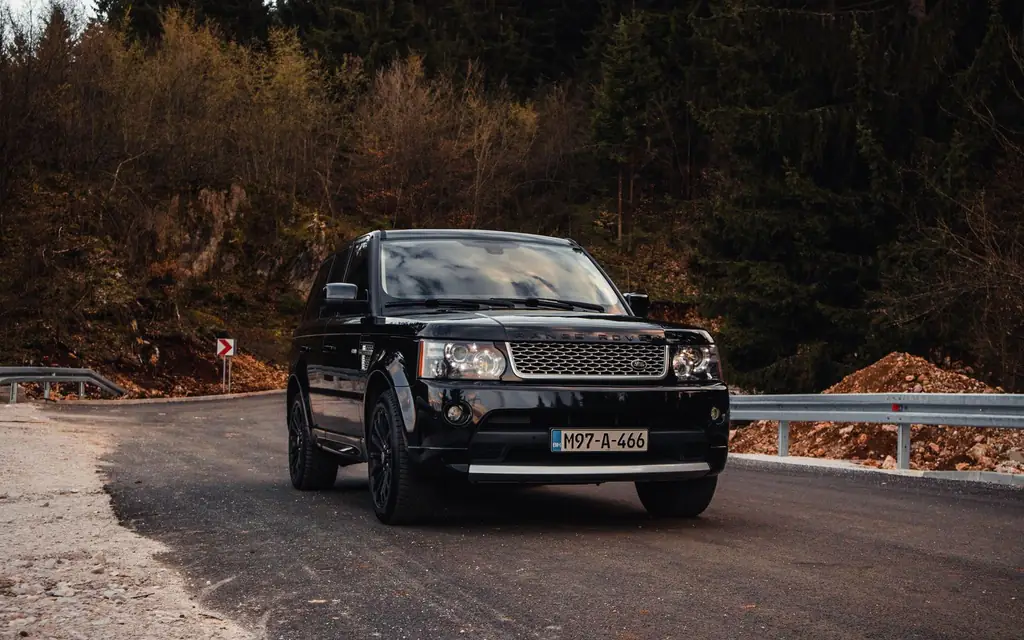
- Luxury SUV (Cadillac Escalade, Chevrolet Suburban, GMC Yukon Denali or similar) for the principal or for the team. Up to 6 passengers, 5 to 6 large bags.
- Executive Sprinter (Mercedes-Benz Sprinter) for a larger party. Up to 12 passengers, 12 bags.
- Second vehicle for the detail, luggage or staff, so that the principal's car is not crowded.
- Maybach, Rolls-Royce and stretch limousine on request. Availability is confirmed at booking.
- Armoured vehicles, on request through vetted partners. Availability is confirmed at booking, and we make no claims about protection ratings.
All vehicles are "or similar", and the exact model is confirmed at booking. Most vehicles are fitted with Wi-Fi, water and phone chargers; not every vehicle is. See the fleet page.
Chauffeur conduct on a protected movement
Clients with a protection team want a chauffeur who is quiet, punctual and predictable. Specifically, we agree the following with your team before the trip:
- Reporting line. The chauffeur takes instructions from the person you name, and from nobody else.
- Communications. Phones, radios or messaging channels are agreed in advance. The chauffeur does not use social media during a movement.
- Route discipline. The chauffeur drives the agreed route and flags problems rather than improvising.
- Stopping. The chauffeur stops where the team says, within local traffic law.
- Confidentiality. Chauffeurs do not photograph clients or post about trips, and NDAs can be signed on request. Itineraries should be shared only with the people who need them.
- Weapons. Chauffeurs do not carry weapons. We cannot assist with the carriage of weapons by anyone, and any licence questions for your team must be settled with the relevant authorities before travel.
Arrivals: airports, FBOs and border points
Arrivals are when a principal is most exposed and most dependent on timing. The chauffeur tracks every airport pickup, and free waiting after landing is 60 minutes on international arrivals and 30 minutes on domestic. For commercial flights, a name board inside arrivals is available as an add-on, with an alias if the principal's name should not be shown. See the meet and greet service.
For private aircraft, the chauffeur meets the party at the business-aviation terminal according to the arrangements of that airport; see private aviation and Toronto FBO. Access to ramps or aprons is governed by the airport and the terminal operator, not by us.
If you or your principal are arriving from abroad, entry rules apply. If a principal flies in from a visa-exempt country, an electronic travel authorization is usually required, and the Government of Canada's eTA page is the official source.
Corporate travel risk and duty of care
Many requests for protection transport originate in a company's travel risk programme. ISO 31030, the international standard for travel risk management published in 2021, offers organisations of any size a structured way to think about risk to travellers, from policy to prevention. The ISO committee page describes its scope, which covers business travel but not leisure travel.
A chauffeur provider supports that framework with the parts it can control: licensed, commercially insured vehicles and chauffeurs, a 24-hour desk, flight tracking, confirmations and discretion. If your organisation uses accounts, see corporate chauffeur service and corporate accounts, which offer monthly invoicing.
Working with a protection team abroad
Rules for protection staff differ widely between countries, and many places restrict what foreign protection personnel may do. We cannot advise on the legality of a team's plans in another jurisdiction, and clients should take advice from their provider. What we can do is deliver the vehicle and the chauffeur in the destination through a vetted partner, and give the protection team one point of contact for the whole trip.
Partner chauffeurs are licensed and commercially insured, and partner vehicles are no more than 4 model years old, or up to 7 for Rolls-Royce, Bentley and Maybach. How partners are vetted is set out on the worldwide chauffeur network page. Inside the USA, US-licensed partners drive, because a Canadian vehicle cannot do domestic US point-to-point work. Journeys from Toronto across the border run from Toronto; see cross-border car service for documents and crossings.
Do you need a chauffeur only, or protection as well?
| Situation | Likely need | Enroutz.ca role |
|---|---|---|
| Executive on a routine business trip | Reliable chauffeur | Full service |
| High-profile traveller, no known threat | Discreet chauffeur, alias bookings | Full service; see VIP chauffeur |
| Principal with a dedicated protection detail | Chauffeur working inside the plan | Chauffeur and vehicle |
| Elevated or specific threat | Licensed protection provider, specialist vehicles | Chauffeur support only, if your provider requests it |
| Government or official delegation | Official protocol and police arrangements | Not our role |
If you are unsure, ask your corporate security lead or a licensed protection provider first. We will happily plan around their advice.
Honest comparisons: other ways to move a protected principal
A rideshare is unsuitable for a protected movement, because neither the vehicle nor the driver is known in advance, and the trip is recorded in an app. A taxi has the same problem. A rental car driven by a detail member adds fatigue and takes the member away from protection duties. A hotel car works for short local hops where the hotel is trusted. A dedicated chauffeur booked in advance, driving a vehicle the team has approved, is the usual answer, and a second car for the team is the usual addition. See the chauffeur versus rideshare page for the wider comparison.
Planning a protected movement in Toronto: a checklist
- Name the person who gives the chauffeur instructions.
- Share the arrival time, the flight and the number of people, and who may change them.
- Decide how the booking is named, and whether an alias is wanted on the board.
- Agree the route and an alternate, and time them at the real hour.
- Choose the vehicle class and any second car.
- Agree the communication channel.
- Confirm the hotel or venue entrance with the venue itself.
- Read the confirmation and the cancellation terms.
For events and conferences with security requirements, see event transportation and meetings, incentives and conferences. For the full range of services, use the services hub; if you want to understand how the company works, see why Enroutz.ca.
Cancellation follows the standard schedule, measured from the scheduled pickup time: more than 72 hours' notice carries no charge, 72 hours or less 10%, 48 hours or less 50%, and 24 hours or less or a no-show 100%. Where an event or convention is large, its own deadline may apply and will be on the confirmation.
Frequently asked questions
Is Enroutz.ca a security company?
No. Enroutz.ca is a chauffeur service. We have no armed drivers and no bodyguards, and we do not hold ourselves out as security guards. We work alongside a client's own security team.
Can your chauffeurs carry weapons?
No. Chauffeurs do not carry weapons, and we cannot assist anyone with carrying weapons. Licence questions for your team must be settled with the relevant authorities before you travel.
Do you provide armoured vehicles?
Armoured vehicles are on request through vetted partners; availability is confirmed at booking. We make no claims about protection ratings, so ask your own security adviser what level you require.
Can the chauffeur follow my security team's instructions?
Yes. The chauffeur takes instructions from the person you name, drives the agreed route and positions the vehicle as directed, within local traffic law.
Can you do a route recce before the movement?
Ask the desk when you book. Whether a route can be driven in advance with your team leader depends on availability, and the desk confirms before you commit.
Can the booking be made under an alias?
Yes. Yes: the booking can sit under an alias or an assistant's name, and so can the board at arrivals.
How far is Toronto Pearson from downtown Toronto?
Around 27 km, which is usually 30 to 50 minutes by road. Gardiner Expressway, Highway 401 and Don Valley Parkway delays can lengthen that at peak hours, so time your route for the real hour.
Do you provide the same service abroad?
Yes. A vetted, licensed and commercially insured local chauffeur partner drives in the rest of Canada, the USA, Europe and the Middle East, and the Enroutz.ca desk books, confirms and invoices the ride.
Will the chauffeur keep my itinerary confidential?
Yes. Chauffeurs do not photograph clients or post about trips, and NDAs can be signed on request. We suggest the itinerary is shared only with people who need it.